Peter Meskouris Diner Historian
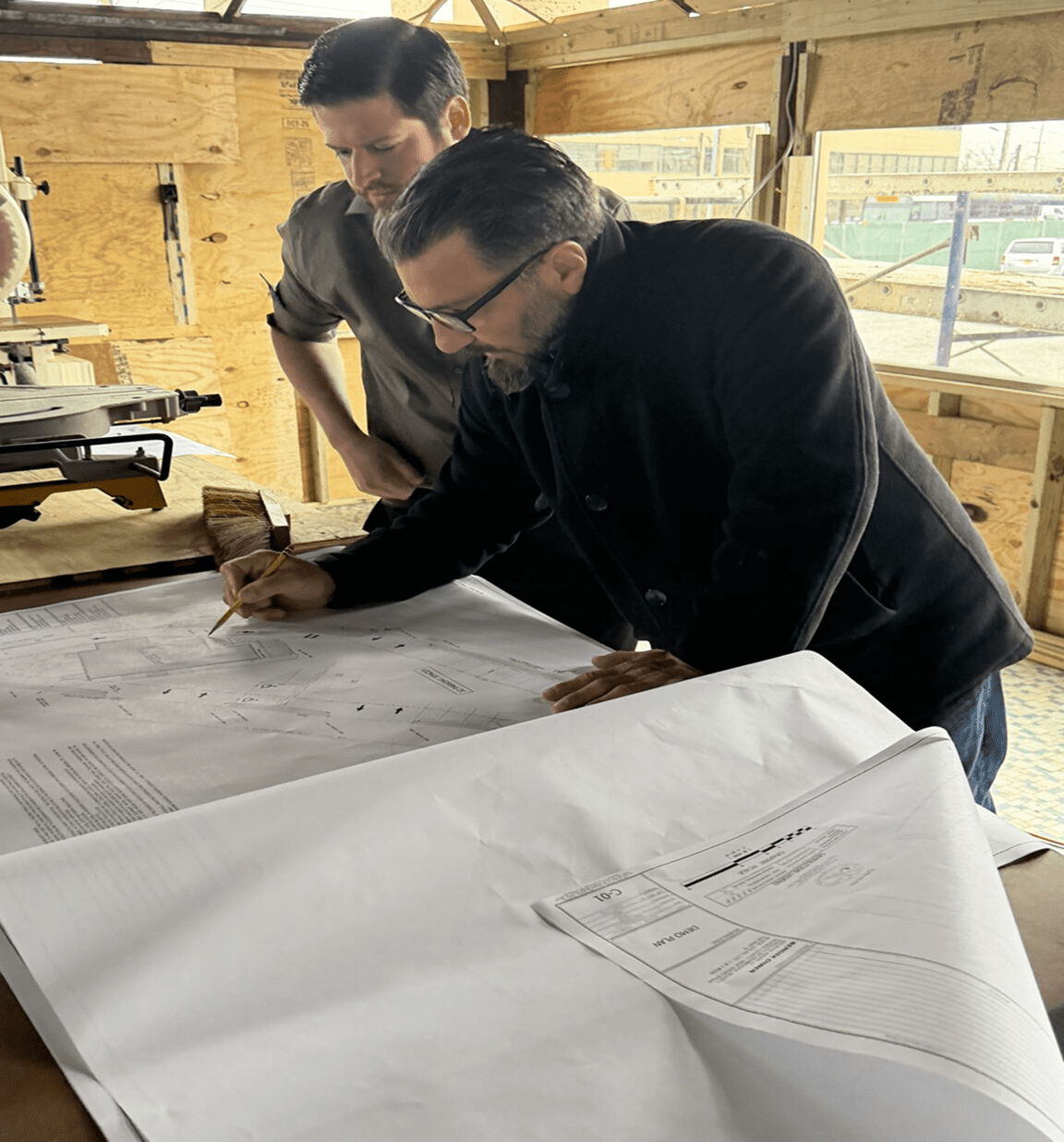
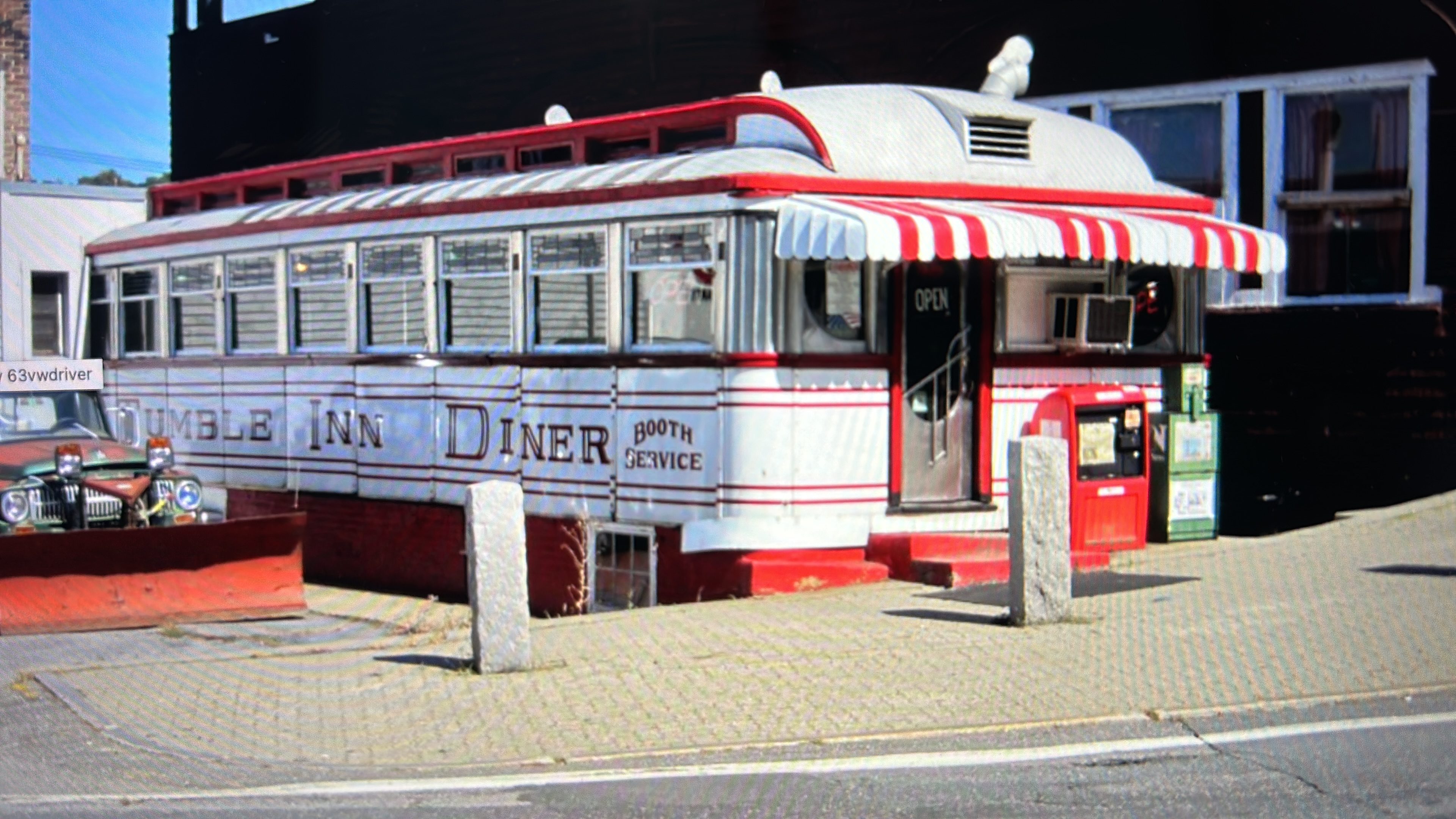
What is a diner historian? It is Peter Meskouris, what he does with passion. He has grown up in the diner restoration industry, learning beside his father and brother.
He has said the process takes more time and expertise, but restoring historic diners, rather than replacing them, is important to him.
Read about the Bendix Diner restoration here.

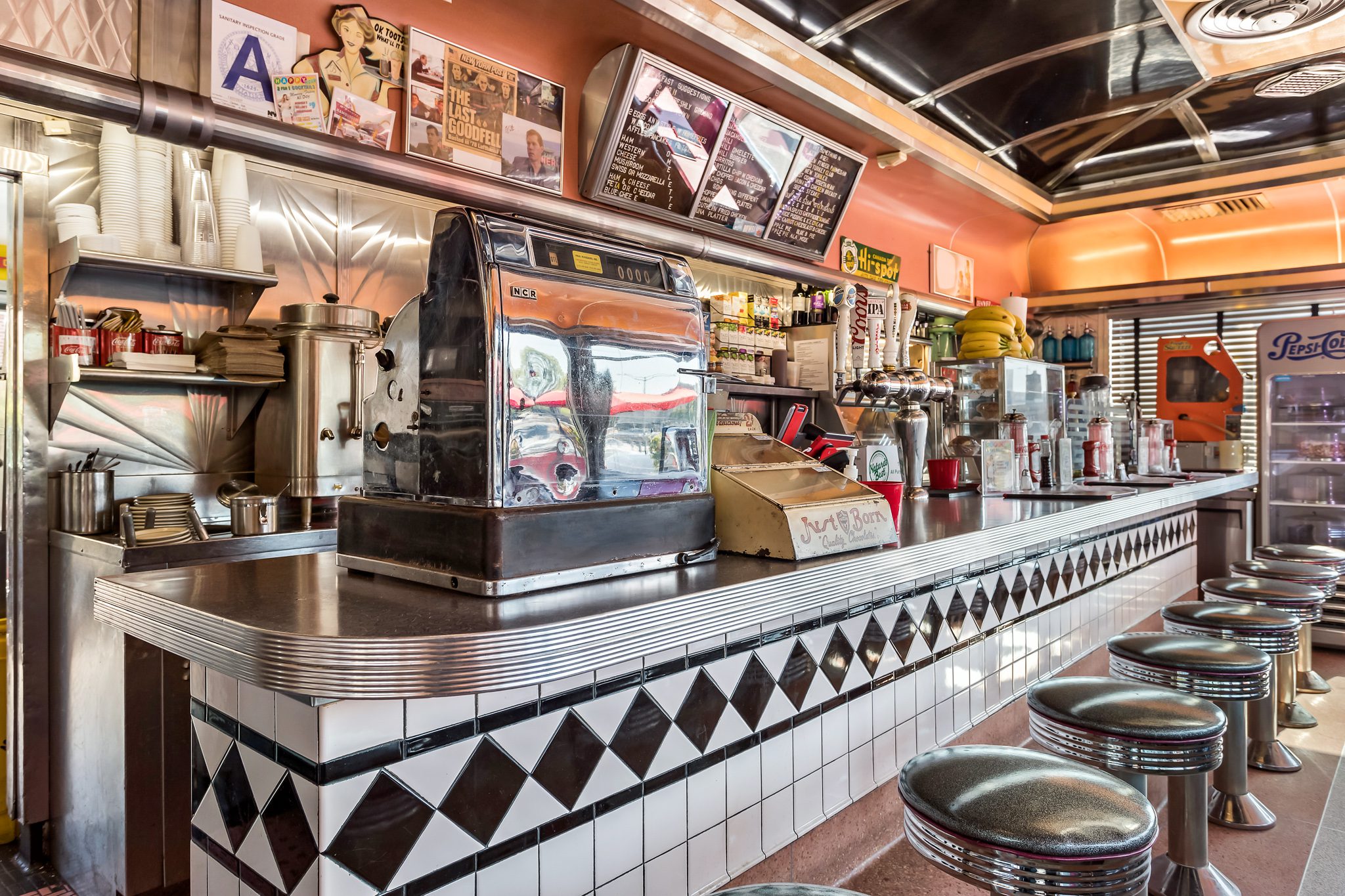
Peter Meskouris Vintage 1950's Jukebox Collector & Seller
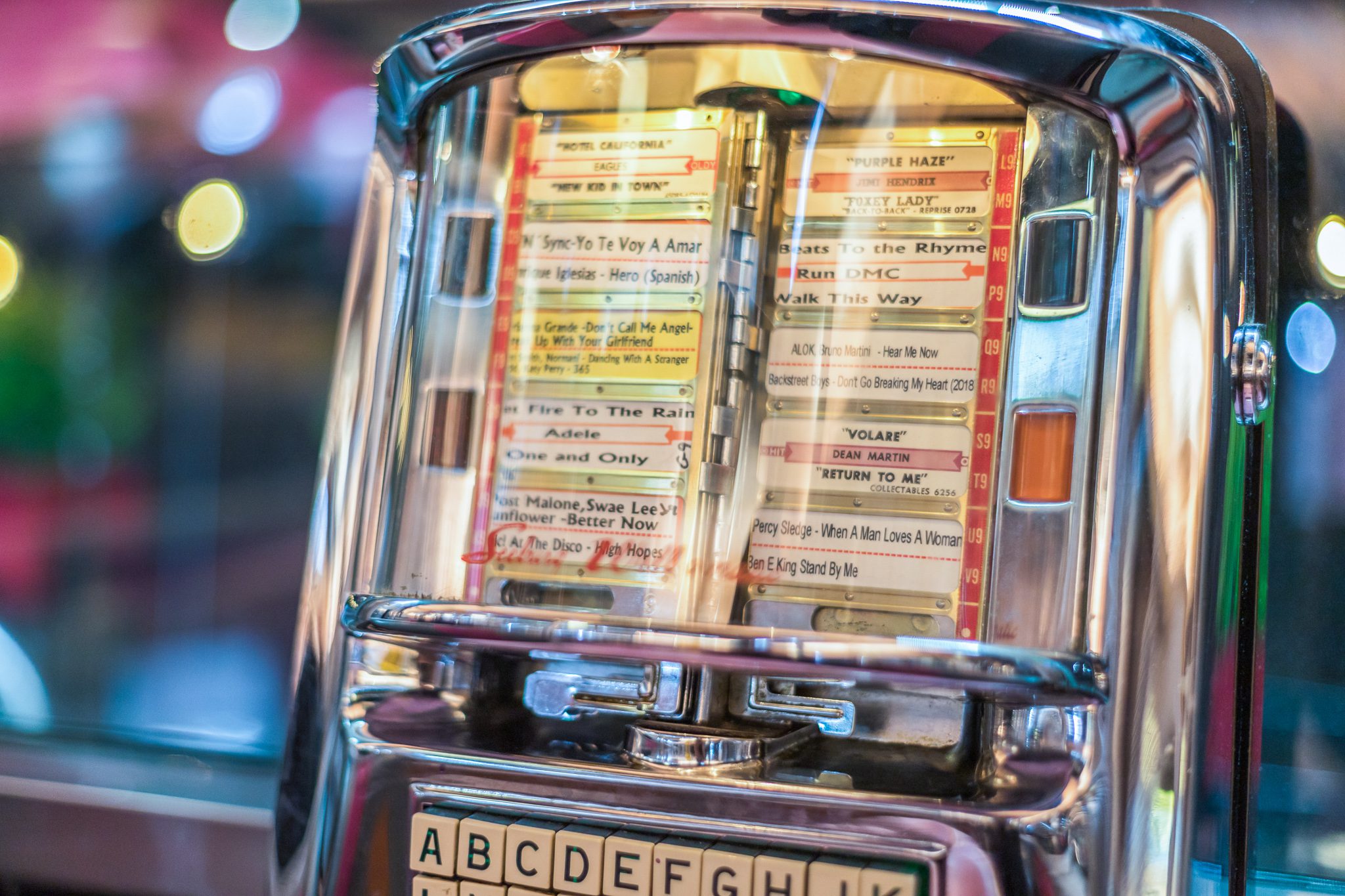
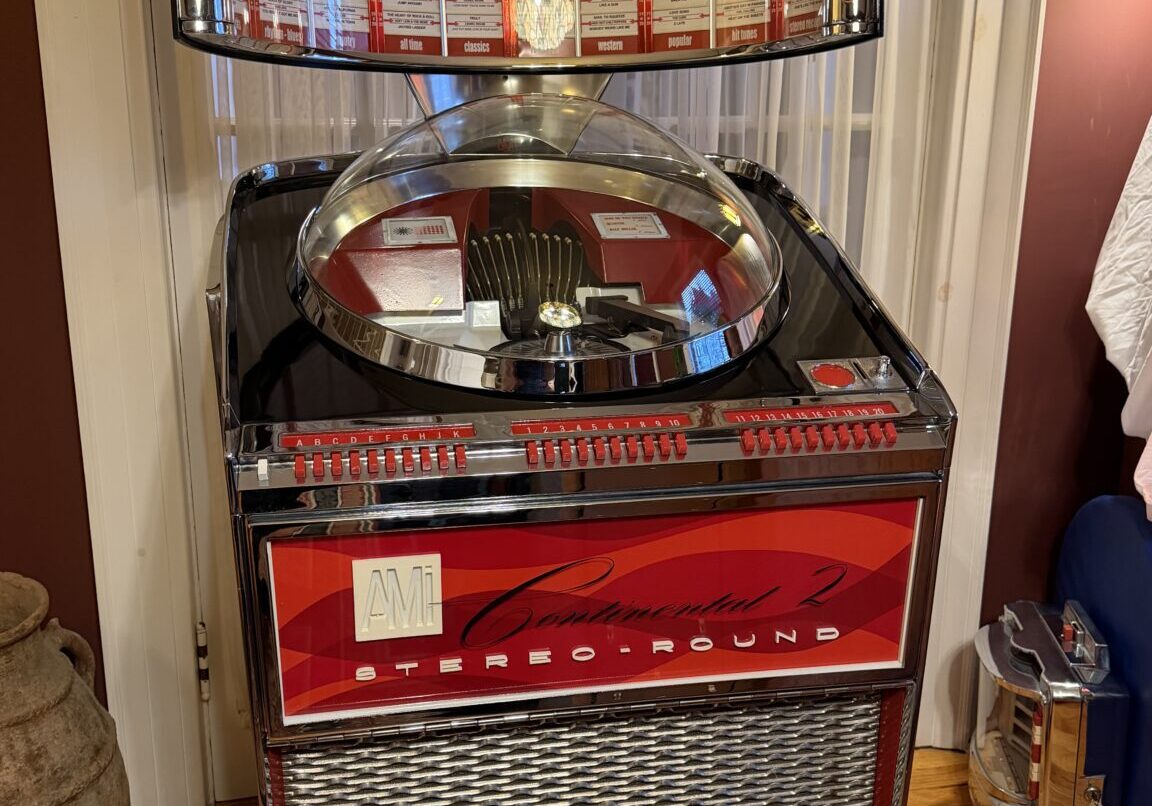
Along with the passion for diner restoration, comes the joy of music and the vintage jukeboxes of the 1950's.
In the 1950s, teenagers transformed diners and restaurants into their own social hubs, driven by a shared obsession with rock ‘n’ roll. Unlike adults who frequented bars, the youth "let loose" around jukeboxes, much to the chagrin of older patrons. This musical shift fundamentally redefined teen culture, making any establishment with a great jukebox the ultimate place to be.
The jukebox itself evolved to match this high-energy audience. Designs shifted away from modest wooden cabinets to mirror the era’s flashy automotive trends. New models were decked out in chrome, vibrant plastics, bubble tubes, and tailfins—perfectly capturing the aesthetic of the decade.
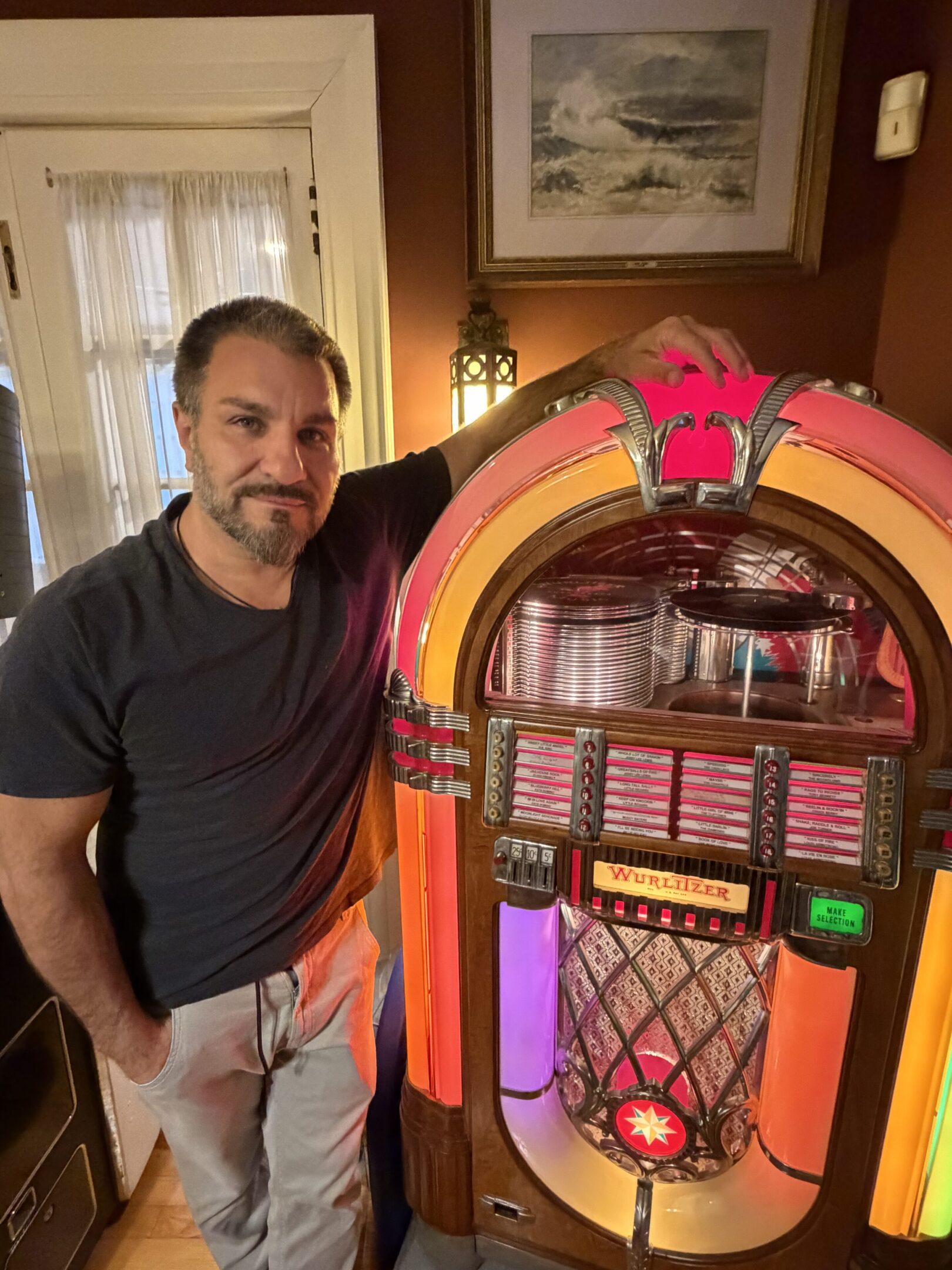
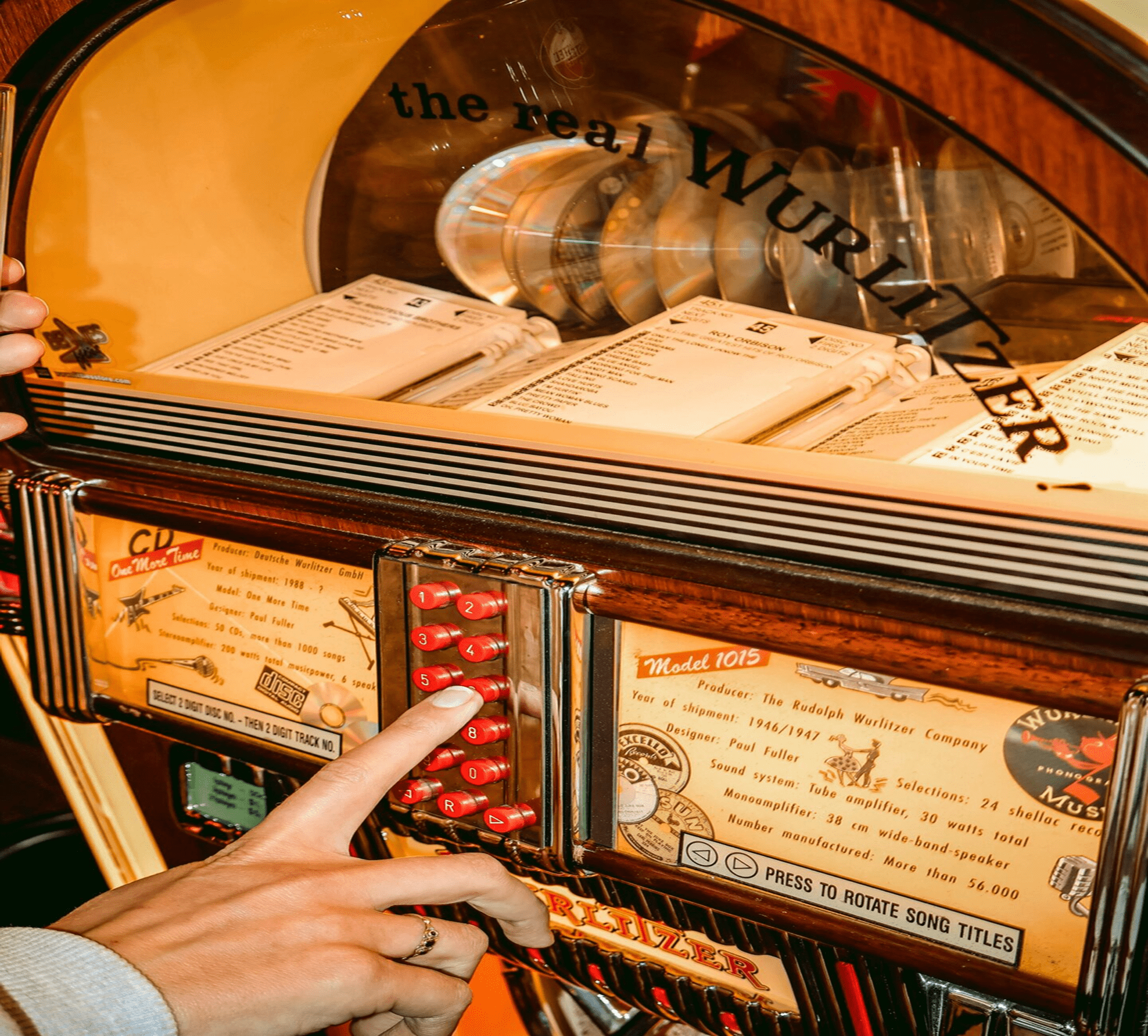
During this peak, the jukebox transcended its role as a mere radio alternative to become a full-blown cultural phenomenon. Several factors fueled this boom: the explosive popularity of rock ‘n’ roll, the transition from bulky 78s to the more affordable 45rpm record, and technological leaps that made the machines more interactive. The jukebox and the teenager entered a symbiotic relationship, with the machines feeding the youth's demand for music while rock ‘n’ roll secured the industry's financial success.
No brand dominated this "Golden Age" quite like Wurlitzer. Guided by legendary designer Paul Fuller, the company—which had roots in musical instruments dating back to 17th-century Saxony—became the industry standard. After Rudolph Wurlitzer brought the business to the U.S. in 1853, the company transitioned from player pianos to coin-operated phonographs in 1933. By 1946, their "1015" model was so successful that their slogan, "Wurlitzer is Jukebox," was practically a statement of fact.